Select your language


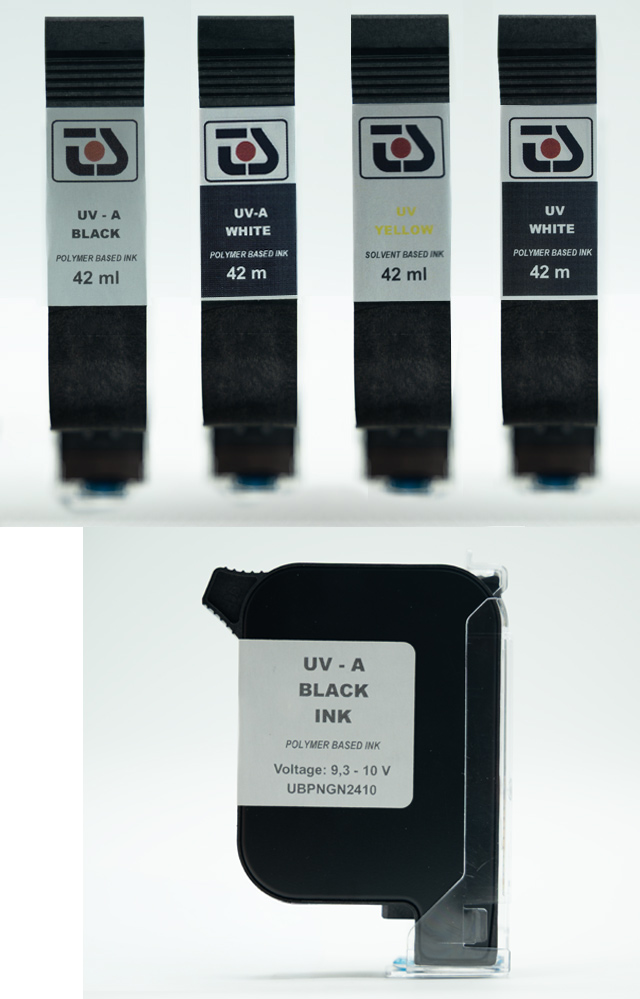
Available ink variants UV CURABLE INK
| Ink Type | Color | Markup sample | Description | Dry time | Decap time | Drying method | Shelf life |
| UV BLACK | Black | 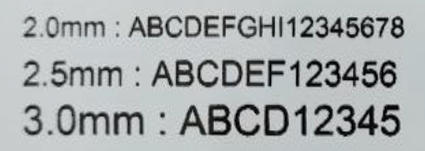 |
High-speed black UV LED curable ink delivers excellent scratch and abrasion resistance, significantly outperforming standard solvent-based solutions. This ink requires no drying time, provides sharp and highly durable printing on non-porous substrates, and is fully RoHS compliant and PFAS-free. | in milliseconds depending on UV LED power | 30 min | UV LED light (395 nm) | 5 months |
| UV-S BLACK | Black | 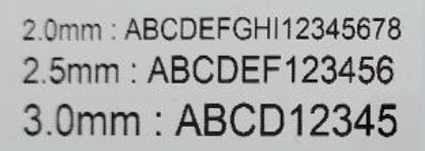 |
This cutting-edge UV polymer meets the strictest standards and the 29th update of REACH regulations (SVHC free) and represents the current technological cutting edge. It offers unmatched resistance to alcohol and common solvents, making it a perfect choice for the pharmaceutical, automotive and electronics industries, while being fully RoHS compliant and PFAS-free. | in milliseconds depending on UV LED power | 30 min | UV LED light (395 nm) | 5 months |
| UV-S WHITE | White | 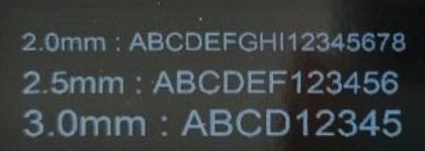 |
The flagship among white UV inks offers exceptional chemical resistance to alcohols, thinners and industrial solvents, which guarantees the durability of marking even in the most demanding operating conditions. This variant, developed without SVHC substances in accordance with the 29th REACH update, is the ideal choice for pharmaceutical applications and precision electronics marking. | in milliseconds depending on UV LED power | 30 min | UV LED light (395 nm) | 5 months |
| UV WHITE | White | 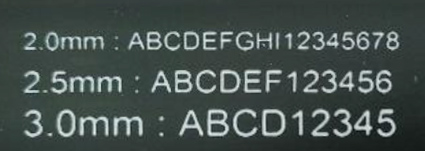 |
A rich white ink with extreme coverage is designed to achieve maximum contrast on dark substrates and stands out with 100% print opacity. The flexibility of the application is further enhanced by the ability to adjust the degree of opacity through the control of the UV LED curing process, which allows the appearance to be modified from a fully opaque to a semi-translucent effect. | in milliseconds depending on the UV LED power | 30 min | UV LED light (395 nm) | 5 months |
| UV YELLOW | Yellow | 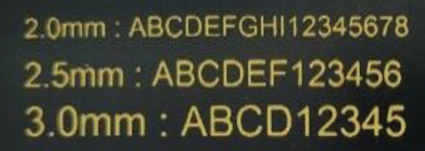 |
The deep yellow pigment ink stands out for its high coverage and is specially designed for flawless marking of dark surfaces. Thanks to advanced chemical bonding, it allows you to achieve effects ranging from deep yellow, highly opaque printing to a slightly translucent color tone, while the resulting character can be effectively influenced by precisely setting the parameters of UV LED curing. | in milliseconds depending on the power of the UV LED | 30 min | UV LED light (395 nm) | 5 months |
| UV MAGENTA | Purple | 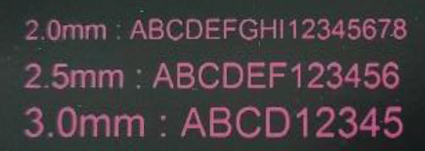 |
Dense magenta ink with high coverage is a reliable tool for contrasting marking of dark surfaces in industrial applications. In addition to standard cover printing, it offers the ability to control color intensity and transparency by setting the UV LED curing time, meets RoHS standards and is manufactured without PFAS. | in milliseconds depending on UV LED power | 30 min | UV LED light (395 nm) | 5 months |
| UV BLUE | Cyan | 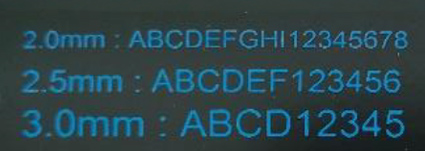 |
Excellent blue ink with increased coverage is a premium solution for marking dark products in industry. In addition to its visual appeal, it offers exceptional chemical resistance to solvents, alcohols and thinners, making it ideal for the pharmaceutical and electronics sectors, while the curing process can achieve effects ranging from opaque to translucent printing. | in milliseconds depending on the power of the UV LED | 30 min | UV LED light (395 nm) | 5 months |
| UV CYAN | Light Blue | 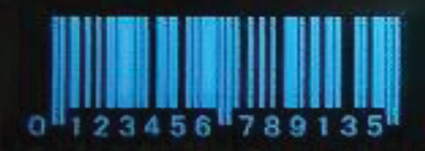 |
This flagship among light blue UV inks provides maximum resistance to chemical influences, especially to solvents and alcohols, thus ensuring long-lasting code readability. It finds its wide application in the medical, pharmaceutical and electrical industries, where high chemical stability of the print is required in combination with precise application using UV LED technology. | in milliseconds depending on the power of the UV LED | 30 min | UV LED light (395 nm) | 5 months |
| UV CLEAR | Transparent / glossy | 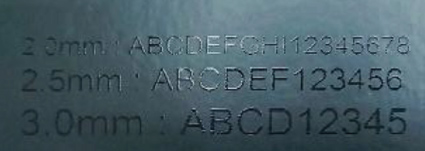 |
Transparent UV LED curable varnish compliant with SVHC and REACH standards provides excellent protection of already printed codes against mechanical damage and chemical influences. It can be used as a base coat to increase adhesion or as a final coat to achieve high gloss, and its extreme resistance to solvents and thinners makes it ideal for pharmaceutical and electronic applications. | in milliseconds depending on the power of the UV LED | 30 min | UV LED light (395 nm) | 5 months |
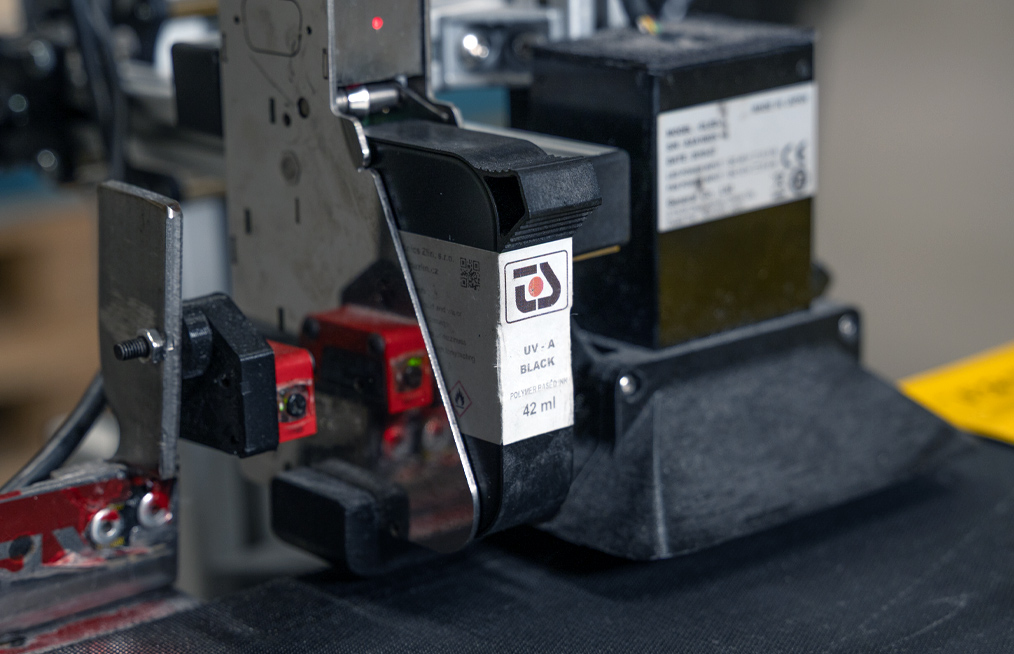
It also resists aggressive substances such as pure alcohol or acetone.
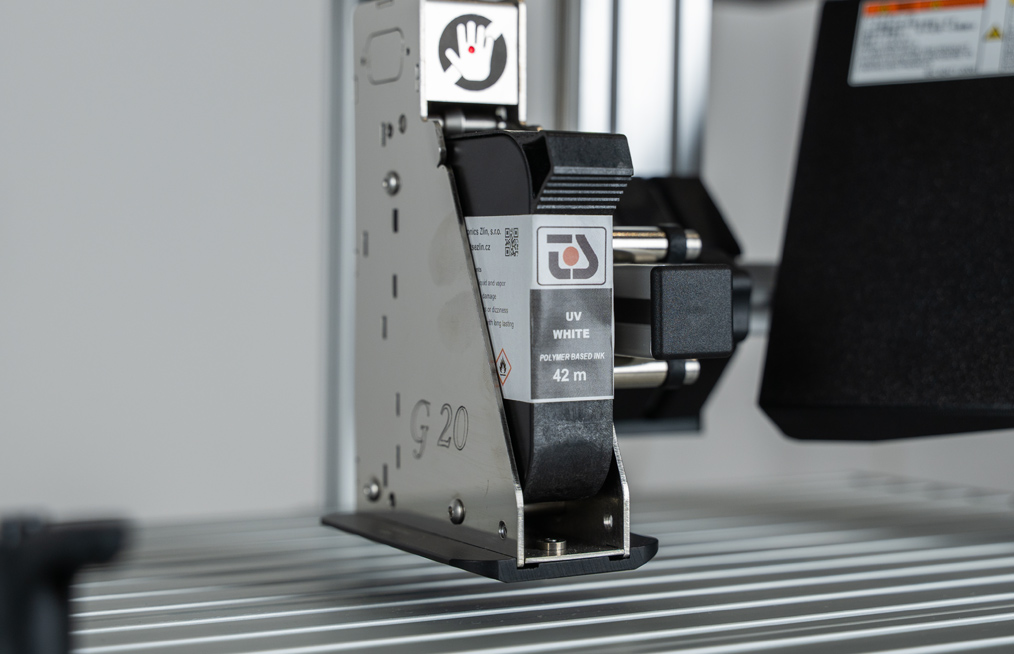
The product can be packaged immediately, there is no risk of smudging.
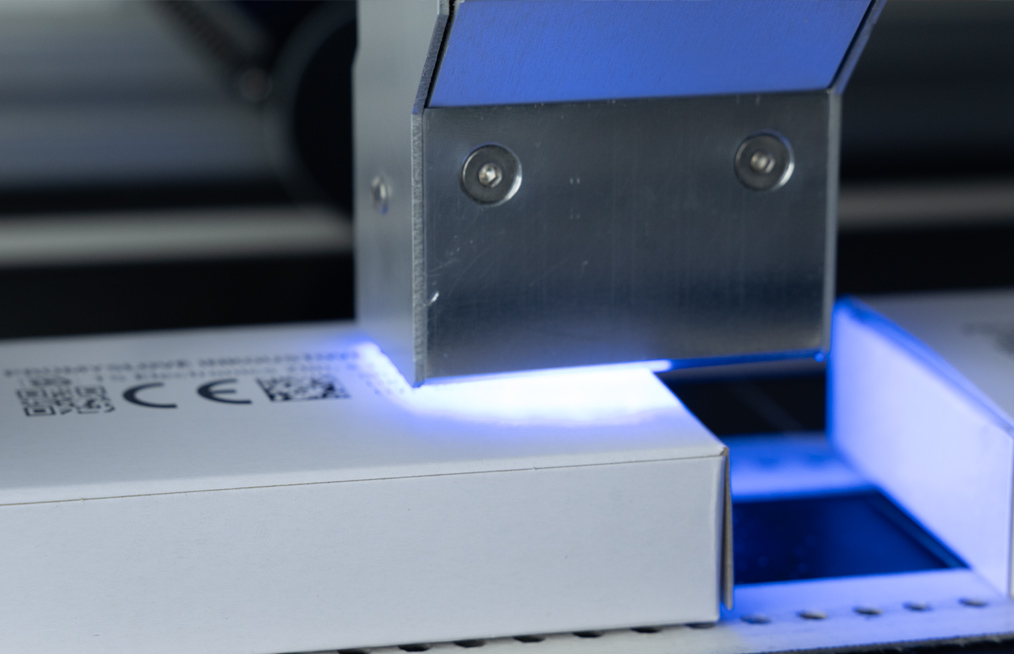
It holds even on extremely smooth and unyielding surfaces.

Paper (absorbent)
✔️
Cardboard (absorbent)
✔️

Wood (absorbent/semi-absorbent)
✔️
Textile (absorbent/flexible)
⚠️

Plastic (non-absorbent)
✔️

Foil (non-absorbent/flexible)
✔️

Metal (non-absorbent)
✔️

Glass (non-absorbent/smooth)
✔️
Lak (non-absorbent surface)
✔️
Conductor (non-absorbent/cables)
✔️

Guma (flexible)
✔️

Ceramika (hard)
✔️
(Note: ✔️ means excellent or normal compatibility, ❌ means unsuitable, ⚠️ means possible, but depends on the specific surface treatment)